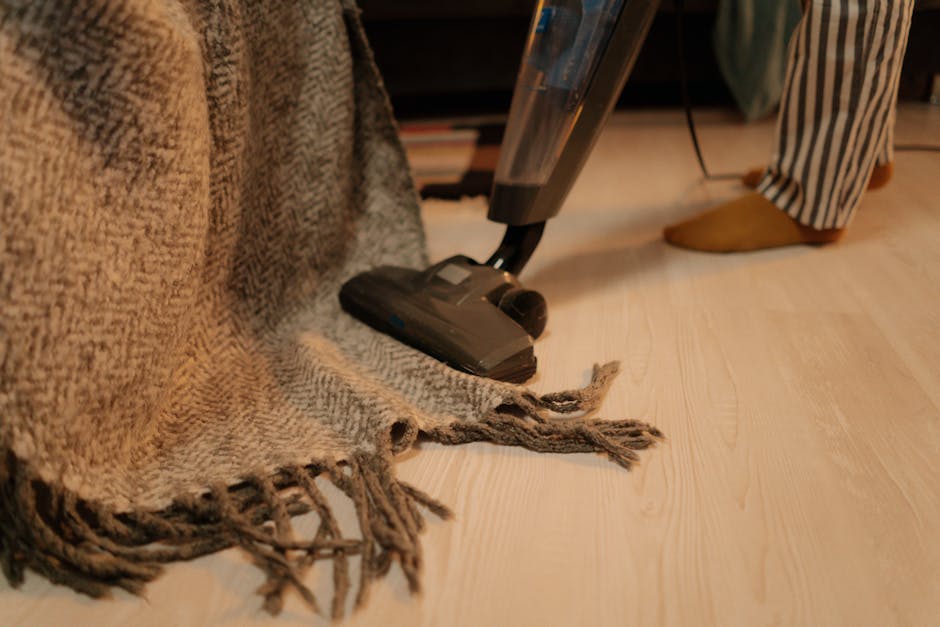
Harringay carpet cleaning mistakes that damage wool rugs
Wool rugs look beautiful, feel proper underfoot, and can last for years if they're treated kindly. But the wrong cleaning move can leave them dull, misshapen, yellowed, shrunken, or oddly crunchy in places. That's the painful part: most damage does not happen in one dramatic disaster. It creeps in after a few well-meant mistakes. If you're trying to avoid Harringay carpet cleaning mistakes that damage wool rugs, this guide walks you through the risky habits, the safer approach, and what to do instead when a rug needs a refresh.
Whether the rug sits in a busy hallway in Harringay, under a dining table, or folded away in a spare room, the same rule applies: wool needs a gentler hand than synthetic carpet. A little knowledge saves a lot of regret. And let's face it, replacing a good wool rug is not the sort of bill anyone enjoys on a rainy Tuesday.
Table of Contents
- Why these mistakes matter
- How wool rug cleaning goes wrong
- Key benefits of cleaning wool correctly
- Who needs this advice
- Step-by-step guidance
- Expert tips for better results
- Common mistakes to avoid
- Tools, resources and recommendations
- Law, compliance, standards, and best practice
- Options and comparison table
- Case study or real-world example
- Practical checklist
- Conclusion
- Frequently asked questions
Why Harringay carpet cleaning mistakes that damage wool rugs Matters
Wool is durable, but it is not indestructible. Its fibres have a natural scale structure, which is part of why wool feels soft and springs back well. That same structure also means wool can react badly to excess heat, harsh chemistry, aggressive brushing, and over-wetting. If you clean it like a tough polyprop carpet, you may see distortion, colour bleed, or textured changes that never quite recover.
In a real home, the risk is usually not dramatic at first. A rug may look a little flat after cleaning, then a bit patchy once dry. Later, the edges might curl. A pale cream area can turn dull greyish. A spill that was "sorted" in five minutes may spread deeper into the pile. Small mistakes tend to compound. That is why wool rug care deserves its own approach rather than a copy-and-paste carpet routine.
There's also a practical side. Wool rugs often cost more, are chosen for design reasons, and sit in high-use rooms where family life happens. If you have children, pets, or guests who never seem to remove muddy shoes fully, the cleaning challenge grows fast. A cautious method protects the fibres, the dyes, and the rug's shape all at once.
Expert summary: wool rugs usually fail from a combination of too much water, too much heat, too much friction, or the wrong cleaning product. The safest result comes from restraint, testing, and patience.
How Harringay carpet cleaning mistakes that damage wool rugs Works
It helps to understand the mechanics. Wool is absorbent, which means it can take in cleaning solution and moisture easily. That is useful for stain removal, but it also means residue can remain deep in the pile if the rinse is sloppy. When residue stays behind, the rug can attract soil faster or feel sticky. Not ideal.
Damage typically happens through one of a few pathways:
- Fibre stress: vigorous scrubbing roughens the pile and can distort the nap.
- Colour instability: some dyes are sensitive to alkalinity, heat, or long dwell time.
- Shrinkage or rippling: too much moisture can affect the backing and natural fibres in the foundation.
- Residue build-up: leftover detergent dulls the finish and can make the rug re-soil quicker.
- Heat damage: hot water or aggressive steam can alter the look and handle of wool.
That's why the method matters more than the label on the bottle. Even a "gentle" product can become a problem if it is overapplied or left to sit too long. On the other hand, a sensible process with the right dilution and controlled moisture can work very well.
If you want a broader understanding of how carpet care is approached professionally, the general principles on carpet cleaning and rug cleaning are a good starting point. Wool just asks for a more careful version of that process.
Key Benefits and Practical Advantages
Cleaning wool properly is not just about avoiding damage. Done well, it keeps the rug looking richer, feels softer underfoot, and extends the useful life of the piece. That matters whether the rug is decorative, sentimental, or simply the thing that stops the room feeling echoey at 7am.
- Better colour retention: gentle methods help preserve the original tone and depth.
- Less fibre wear: reduced agitation protects the pile and surface finish.
- Longer lifespan: less stress on the fibres means slower ageing.
- Improved indoor appearance: a properly cleaned wool rug looks calmer and more even.
- Better scent and freshness: moisture managed correctly avoids that damp-wool smell that nobody likes.
There's another underrated benefit: confidence. Once you know what not to do, you stop guessing. You know when a spot is a simple surface issue and when it's better left alone until a more suitable treatment is available. That saves time, money, and a fair bit of stress.
If the rug is part of a larger soft-furnishing refresh, related services like upholstery cleaning, sofa cleaning, and even curtain cleaning can help you keep the whole room balanced rather than cleaning one piece to perfection and leaving the rest looking tired.
Who This Is For and When It Makes Sense
This advice is for anyone with a wool rug who is tempted to tackle a stain, freshen a musty smell, or get the rug cleaned after a busy season. It's especially useful if you live in Harringay and are dealing with the realities of London homes: limited drying space, not much ventilation in winter, and rugs that collect dust, grit, and everyday spillages faster than you'd think.
It makes particular sense if your rug is:
- a hand-tufted or handwoven wool rug
- a blend with a wool-heavy pile
- a rug with natural dyes or delicate colour variation
- older, heirloom, or high-value
- placed in a hallway, dining room, or pet area
It's also relevant if you've already had a bad experience. Maybe the rug dried stiff after a DIY clean. Maybe the edges warped. Maybe you used a bit too much foam and now the spot looks cleaner but somehow worse. To be fair, that happens more often than people admit.
If pet accidents are part of the picture, it may also help to look at pet stain and odour removal because urine and wool do not play nicely if they are left too long or treated the wrong way.
Step-by-Step Guidance
Here's the safest broad approach when you need to clean a wool rug without causing needless damage. It's not glamorous, but it works better than panic and a sponge.
- Check the rug carefully first. Look for labels, loose threads, colour fading, worn backing, and pre-existing damage. If the rug is already fragile, keep the method very conservative.
- Remove dry soil before any moisture. Vacuum gently with a suitable setting and avoid dragging a beater bar across delicate pile. Grit is abrasive; it acts a bit like sandpaper over time.
- Test in a hidden area. Use a tiny amount of diluted cleaning solution and blot lightly. Watch for colour transfer, darkening, or texture changes once it dries.
- Use minimal moisture. Wool rugs usually prefer controlled damp cleaning or careful spot treatment rather than soaking.
- Blot, do not scrub. Pressing with a clean cloth is far safer than circular rubbing. Rubbing lifts fibres and can spread stains outward.
- Rinse lightly if needed. Any cleaning residue should be removed as far as practical. Leaving detergent in wool is a fast route to dullness.
- Dry thoroughly and evenly. Airflow matters. Turn the rug only if appropriate, and keep it away from direct heat sources.
- Reset the pile once dry. A gentle brush in the direction of the nap can help the finish look even again.
That's the core process. Simple on paper, a bit fiddly in real life. If the rug is large, valuable, heavily soiled, or showing dye instability, a cautious professional inspection is usually the wiser call than improvising at home.
Expert Tips for Better Results
Here's where the detail pays off. Small decisions make a surprisingly big difference with wool.
- Vacuum both sides if the rug construction allows it. This helps lift fine grit from the foundation, not just the surface.
- Keep spot cleaning tiny. The goal is to treat the stain, not the entire postcode around it.
- Use cool or lukewarm water only. Heat can be risky, especially if the rug has natural dyes or a delicate finish.
- Blot from the outside in. This helps stop a stain spreading.
- Dry fast but gently. Faster drying reduces odour and risk of backing distortion. Open windows if you can, but don't blast the rug with a heater.
- Be careful with home remedies. Vinegar, baking soda, and soap hacks can work in some cases, but on wool they can also leave residue or affect colour. A clever hack is not always a clever outcome.
- Watch for browning. If wool dries unevenly or is over-wet, brownish tide marks can appear. That is one of the more frustrating issues because it often shows up later.
One more thing: if the rug is alongside carpeted rooms or a soft-furnishing-heavy interior, regular professional help with steam carpet cleaning may be suitable for the carpeted areas, while the wool rug itself gets a separate gentler treatment. Same home, different materials, different rules. Simple, really.
Common Mistakes to Avoid
This is the section that saves rugs. The following mistakes are common, and they are exactly the kind of thing that causes avoidable damage.
1. Over-wetting the rug
Too much water can reach the backing, weaken structure, create rippling, and make drying unpredictable. It's the big one. If the rug feels saturated, you've probably gone too far already.
2. Scrubbing aggressively
Scrubbing may seem satisfying in the moment, but it roughs up the wool fibre and can cause permanent matting or a fuzzy patch. Blotting wins most of the time.
3. Using hot water or intense steam
Heat is not a universal solution. On wool, it can affect texture, set certain stains, or encourage shrinkage. Not every stain should meet a steam wand.
4. Choosing the wrong chemical cleaner
Strong alkaline cleaners, bleach-based products, and untested stain removers can strip colour or damage the finish. If the label sounds "industrial", pause and think twice.
5. Not testing first
Skipping a patch test is one of those shortcuts that feels efficient right up until the dye starts moving. Hidden corners exist for a reason.
6. Letting spills sit too long
Spills settle into the pile, wick toward the base, and become harder to remove. Even a coffee splash or food stain can deepen while you're busy with other things.
7. Drying the rug too slowly
A damp rug left in a stuffy room can smell musty, and prolonged moisture can distort the structure. Airflow and patience matter more than people think.
8. Mixing methods without a plan
One product on top of another, then a rinse, then a steam attempt, then a bit more soap. That way lies chaos. Stick to one careful approach at a time.
9. Ignoring the backing and fringe
People often clean only the visible pile. But the fringe, edges, and backing can also be damaged by moisture, friction, or poor drying.
10. Treating every rug like a carpet tile
A wool rug is not just "a small carpet". Its construction, dyes, and movement during cleaning are different. That distinction matters a lot.
Tools, Resources and Recommendations
You do not need a shed full of gear to handle wool properly. In fact, too much gear often causes the problems. A small, sensible kit is usually better.
| Item | Why it helps | What to watch for |
|---|---|---|
| Vacuum with adjustable suction | Removes dry grit before it scratches fibres | Use a gentle setting and avoid rough agitation |
| White cotton cloths | Useful for blotting without dye transfer | Keep them clean and dry |
| Small spray bottle | Lets you apply minimal moisture | Don't drench the rug |
| Soft-bristled brush | Helps lift the pile once dry | Use lightly and in the nap direction |
| Fan or natural airflow | Supports even drying | Avoid direct heat blast |
For readers wanting professional support or a wider home-cleaning plan, the most relevant service pages are the company's rug cleaning page and the broader carpet cleaning overview. If you're dealing with an awkward stain or uncertain mark, the stain removal service information can also be useful in understanding what specialist treatment may be involved.
Practical note: if the rug is sentimental or unusually valuable, get advice before experimenting. A small call for guidance can save a very expensive mistake. Honestly, that's money well spent.
Law, Compliance, Standards, or Best Practice
This topic is mostly about best practice rather than hard legal rules. Still, there are a few sensible expectations worth keeping in mind in the UK.
For household cleaning, the main concerns are safe product use, avoiding unnecessary damage, and following manufacturer instructions where available. If you hire a cleaning company, you'd reasonably expect them to work carefully, explain any limitations, and use suitable methods for delicate materials like wool. Clear service terms, safety handling, and fair complaint handling are all part of professional conduct. Pages such as health and safety policy, insurance and safety, and terms and conditions can help set those expectations before work starts.
There is also a practical compliance angle around product choice and ventilation. Good practice means using cleaning chemicals responsibly, keeping spaces ventilated during and after cleaning, and storing products safely away from children and pets. If you're in a rented property or managing a shared building, it's sensible to avoid methods that could affect floors, skirting, or nearby furnishings.
For businesses, the standard is even higher. If a wool rug appears in a reception, office, or hospitality setting, you'll usually want a method that protects appearance while keeping downtime low. In those cases, the general thinking behind commercial carpet cleaning may be helpful, even if the rug itself needs a separate approach.
Options, Methods, or Comparison Table
Not every rug needs the same treatment. The safer choice depends on soil level, fibre condition, and how much risk you can accept.
| Method | Best for | Risk level for wool | Notes |
|---|---|---|---|
| Dry vacuuming | Routine maintenance | Low | Essential first step; do it gently |
| Light spot blotting | Fresh spills | Low to moderate | Patch test and use minimal moisture |
| Controlled hand cleaning | Localised marks or refreshing | Moderate | Needs patience and careful drying |
| Deep wet cleaning | Heavily soiled or specialist restoration | Moderate to high | Only suitable when the rug and dyes can handle it |
| Hot steam treatment | Some synthetic carpets, not usually wool rugs | High | Risk of heat-related distortion and residue issues |
The takeaway is pretty simple: more intensity does not automatically mean better cleaning. For wool, the gentlest effective method is usually the winning one. If the rug is structurally sound but just dusty and dull, a light clean may be enough. If the fibres are fragile, stop early and keep the approach conservative.
Case Study or Real-World Example
A common scenario goes like this. A homeowner in Harringay notices a tea stain on a cream wool rug after a late evening visitor knocks a cup over. They rush to fix it with warm water, a fair amount of detergent, and a bit of rubbing because the stain "seems to be lifting". It does lift, sort of. The next morning the centre looks cleaner, but the surrounding area has a pale ring and the pile feels flatter than before. By the time it dries, the patch is more visible than the original spill was.
What went wrong? Not one thing, but several: too much liquid, too much rubbing, and no proper rinse. In practice, a better response would have been to blot first, test a tiny area, use minimal solution, and dry it evenly. If the stain still held, then a targeted specialist treatment would have been the safer next step.
I've seen this pattern with pet accidents as well. People try to neutralise the smell with a big pour of cleaner. The odour fades briefly, then returns because the source was pushed deeper into the rug. That is why services focused on pet stain odour removal exist in the first place. Wool needs the stain addressed properly, not just masked.
The slightly funny part, if you can call it that, is how often the "quick fix" becomes the long job. A bit annoying, yes, but very normal.
Practical Checklist
Use this before cleaning a wool rug at home or deciding whether to call in help.
- Identify the rug material and construction.
- Check for loose fibres, frayed edges, or weak backing.
- Vacuum gently to remove dry grit first.
- Test any cleaning product in a hidden spot.
- Use as little moisture as possible.
- Blot, don't scrub.
- Avoid hot water and aggressive steam.
- Do not mix multiple cleaners together.
- Dry the rug evenly with airflow.
- Stop if colours bleed, the pile distorts, or the rug smells worse during drying.
- Consider professional support for antique, high-value, or heavily soiled pieces.
One-line reality check: if you're already nervous about trying a method, that instinct is probably worth listening to.
Conclusion
Wool rugs can be wonderfully forgiving in day-to-day life, but they are less forgiving when cleaning goes off-script. The biggest Harringay carpet cleaning mistakes that damage wool rugs are usually the obvious ones: too much water, too much heat, too much scrubbing, and too little testing. Once you understand that, the rest becomes much easier. Clean gently, dry properly, and respect the fibres.
If you remember only one thing, make it this: wool rewards patience. It does not reward haste, and it certainly does not reward panic cleaning at 11pm with whatever bottle is nearest the sink.
Get a free quote today and see how much you can save.
If you'd like a professional opinion before taking any risks with a valuable rug, it's sensible to speak with a local specialist through the contact us page or review the company's pricing and quotes information first. A calm second look can make all the difference, and it often feels like a weight off your shoulders.
Frequently Asked Questions
Can I use steam cleaning on a wool rug?
Sometimes, but it is often not the safest first choice. Wool can react badly to excess heat and moisture, especially if the rug is delicate or handwoven. A lighter approach is usually better unless the rug construction clearly supports stronger treatment.
Why does my wool rug look dull after cleaning?
Dullness usually points to residue, over-wetting, or flattened pile. It can also happen if the rug was scrubbed too hard. Once dry, a gentle pile reset may help, but sometimes the cleaning method needs changing rather than the rug needing more work.
What is the biggest mistake people make with wool rugs?
Over-wetting is probably the most common and damaging mistake. It can affect the backing, slow drying, and create ripples or odours. After that, aggressive scrubbing and using the wrong product are close behind.
How do I test a cleaner on a wool rug?
Choose a hidden corner or underside area, apply a tiny amount of diluted cleaner, blot lightly, and wait for it to dry fully. Look for dye transfer, colour change, or texture changes before using it more widely.
Are homemade cleaning solutions safe for wool rugs?
Not always. Some home remedies are fine for certain stains, but wool is sensitive and can react badly to acidity, alkalinity, or excess moisture. If you use anything homemade, keep it very mild and test first.
Should I vacuum a wool rug before cleaning it?
Yes, gently. Dry soil behaves like grit and can scratch fibres if you add moisture too soon. A careful vacuuming step makes the rest of the process safer and more effective.
How long should a wool rug take to dry?
That depends on thickness, room airflow, and how much moisture was used. The main point is not to rush it with heat. Even drying is safer than fast drying with a hot blast.
Can stain removal damage wool?
Yes, if the wrong product or technique is used. Some stain removers are too strong for wool. For tricky marks, the safer route is a targeted method with testing rather than a full-size product attack on the area.
What should I do if colours start bleeding?
Stop immediately, blot gently, and avoid adding more water. Colour bleeding is a sign that the rug needs a more cautious approach. In many cases, the best next step is to seek specialist advice rather than try to fix it yourself.
Is a wool rug better cleaned professionally?
For valuable, antique, very dirty, or colour-sensitive rugs, yes, often it is. Professional cleaning can reduce risk because the method is chosen around the rug's fibre, dyes, backing, and condition rather than using a one-size-fits-all plan.
How often should wool rugs be cleaned?
There is no single rule for every home. Regular vacuuming is essential, while deeper cleaning depends on foot traffic, pets, children, and where the rug sits. A hallway rug will need attention sooner than one in a quieter room.
Where can I learn more about related cleaning services?
You can explore the site's pages for carpet cleaning, rug cleaning, and stain removal to understand how different materials and cleaning needs are handled.