Insurance and Safety
 Our insurance and safety approach is designed to protect people, property, and operations at every stage of a project. By combining comprehensive cover, well-trained staff, reliable protective equipment, and a structured risk assessment process, we reduce avoidable incidents and keep work moving responsibly. A strong safety culture is not treated as an afterthought; it is built into planning, delivery, and review.
One of the foundations of our insurance for safety standards is public liability insurance. This protection is in place to cover third-party claims that may arise from accidental damage or injury linked to our activities. Whether the work is carried out in a busy public environment or a controlled site, having the right insurance framework provides reassurance and demonstrates responsible business practice. It also supports continuity, helping projects progress with confidence even when unexpected issues arise.
We place equal importance on staff capability. Every team member receives structured staff training so they understand safe working methods, hazard awareness, emergency procedures, and the correct use of equipment. Training is not a one-off event; it is refreshed to reflect changing tasks, new regulations, and lessons learned from previous work. This commitment helps ensure that safety is not dependent on guesswork, but on clear knowledge and consistent standards.
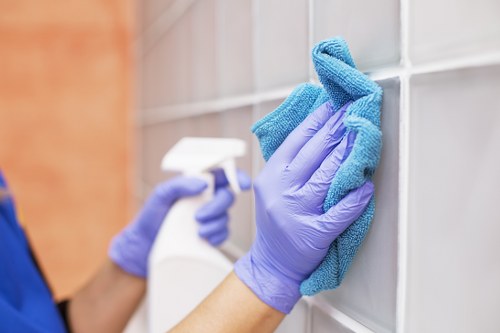
 In addition to training, the correct use of PPE is essential. Personal protective equipment is selected based on the specific task and associated hazards, ensuring that workers are properly shielded from avoidable risks. Depending on the job, PPE may include helmets, gloves, eye protection, high-visibility clothing, respiratory protection, or specialist footwear. We emphasise that PPE complements other controls rather than replacing them, and we make sure it is worn, maintained, and checked properly.
Our risk assessment process begins before work starts and continues throughout the project. Each assessment identifies hazards, evaluates the likelihood and potential impact of harm, and sets out practical control measures. This includes reviewing site conditions, equipment requirements, access arrangements, environmental factors, and the interaction of people and machinery. By taking a systematic approach, we can prioritise the most significant risks and address them before they become problems.
 The assessment process also includes clear communication. Findings are shared with the relevant team members so everyone understands the safe method of work, the boundaries of their role, and any changes that may affect safety on site. Where needed, additional controls are introduced, such as barriers, signage, supervision, or restricted access. This layered approach strengthens our overall insurance and safety performance and helps create a predictable working environment.
We review our procedures regularly to maintain high standards and adapt to new circumstances. If a task changes, if site conditions alter, or if an incident or near miss occurs, the relevant safety documentation is updated. This ongoing review supports continuous improvement and ensures that our controls remain practical and effective. It also reinforces accountability, as everyone involved understands that safety is an active responsibility rather than a static document.
Our commitment to public liability insurance, training, PPE, and formal risk management reflects a wider duty of care. It shows clients, partners, and team members that we take protection seriously and that we are prepared for the realities of operational work. The goal is not simply to comply with expectations, but to build a dependable environment where quality and safety work together. A careful balance of planning and protection helps reduce disruption and supports better outcomes.
 Staff training remains central to this balance. Trained employees are better able to identify hazards early, choose the right control measures, and respond calmly if conditions change. They are also more likely to use PPE correctly and follow the risk assessment process with confidence. This creates a practical culture of awareness, where safe behaviour becomes part of everyday routine rather than a separate instruction.
Our wider insurance and safety framework is built on preparation, communication, and responsibility. By planning for possible risks, maintaining suitable insurance cover, and equipping staff with the knowledge and tools they need, we create a reliable foundation for safe delivery. The result is a working approach that protects people while supporting efficiency and professional standards.
From the first assessment to the final review, every stage is managed with care. Public liability insurance provides financial protection, staff training builds competence, PPE reduces exposure to harm, and the risk assessment process ensures that hazards are identified and controlled in a structured way. Together, these measures form a practical and responsible system that supports safe, well-managed work.
 By keeping insurance and safety at the centre of operations, we strengthen trust, reduce risk, and maintain a professional standard across all activities. This integrated approach helps ensure that every project is supported by the right safeguards, the right people, and the right procedures.