Local Harringay commercial cleaning rates for shops 2026
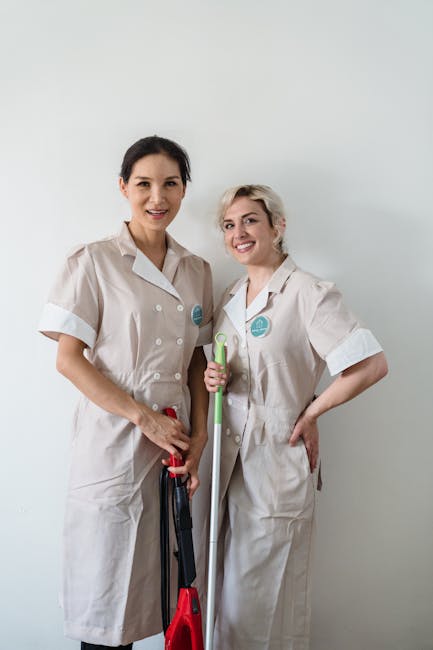
If you run a shop in Harringay, you already know cleaning is not just about appearances. It affects first impressions, staff comfort, slip risks, odour control, and how long your flooring, upholstery, and fixtures last. The tricky part is pricing: Local Harringay commercial cleaning rates for shops 2026 can vary a lot depending on shop size, footfall, cleaning frequency, and the type of mess you're dealing with. A small boutique with light daily wear is a different job from a busy convenience store with greasy entry mats and high-traffic carpet. In this guide, we'll break down how local shop cleaning pricing usually works, what influences the final quote, and how to compare options without getting caught out by vague estimates.
There's no need to overcomplicate it. Once you understand the main cost drivers, you can judge quotes properly, ask better questions, and avoid paying for work you don't actually need. And yes, that matters more than people think.
Why Local Harringay commercial cleaning rates for shops 2026 Matters
Shop cleaning is one of those costs that feels easy to underestimate until something goes wrong. A stained entrance mat, a dusty window ledge, or a sticky patch by the till can quietly drag down the whole customer experience. In a local area like Harringay, where many businesses compete on atmosphere as much as price, regular cleaning can be the difference between looking "open for business" and looking a bit tired by 3pm on a wet Tuesday.
Understanding local pricing also helps you budget properly. If you only compare a headline figure, you may miss what is included: travel, equipment, specialist stain treatment, out-of-hours work, or whether the cleaner is charging per hour, per room, per square metre, or by job type. To be fair, that's where a lot of confusion starts.
There's another reason it matters in 2026: expectations are higher. Customers notice hygiene standards quickly, especially in food retail, beauty, vape shops, pharmacies, and convenience stores. Even in non-food retail, clean floors, fresh upholstery, and tidy back-of-house spaces send a quiet message that the business is run properly.
Expert summary: The best rate is not always the lowest rate. For shop cleaning, value usually comes from a clear scope, reliable scheduling, and work that actually solves the problem the first time.
How Local Harringay commercial cleaning rates for shops 2026 Works
Commercial cleaning pricing is usually built from a mix of labour time, equipment use, cleaning method, access conditions, and the condition of the shop. A simple sweep-and-wipe clean for a small unit is straightforward. A full deep clean with carpet extraction, stain removal, and upholstery work is not.
In practical terms, a quote may be shaped by:
- Shop size - measured by square footage or by number of areas to clean.
- Cleaning frequency - one-off, weekly, nightly, or monthly visits.
- Traffic levels - a quiet showroom is easier than a busy shop with constant walk-ins.
- Flooring type - hard floors, carpets, rugs, vinyl, or mixed surfaces all behave differently.
- Specialist tasks - stains, odours, spot treatment, upholstery, or deep steam cleaning.
- Out-of-hours access - evenings and early mornings can alter labour planning.
- Access and parking - in London, even simple logistics can affect the job's efficiency.
Some providers will quote a fixed job price after a site visit or detailed phone assessment. Others work on an hourly basis, especially for flexible or irregular jobs. For routine commercial carpet work, you may see cleaner pricing when the scope is clear and the site is easy to access. If you want a broader idea of how retail flooring work is priced, the page on commercial carpet cleaning is a useful related reference.
Truth be told, the final number often comes down to how predictable the work is. Predictable jobs cost less to schedule and less to deliver. Messy, unknown, last-minute jobs? Not so much.
| Pricing model | Best for | Pros | Watch-outs |
|---|---|---|---|
| Hourly rate | Flexible or one-off cleaning | Simple to understand, useful for unknown scope | Can rise if the job takes longer than expected |
| Fixed quote | Defined shop cleaning scope | Budget certainty, easier approval | Needs clear assumptions to avoid disputes |
| Per square metre | Flooring-focused work | Useful for larger areas | May not reflect stain level or access difficulty |
| Contracted schedule | Regular shop maintenance | Often better value over time | Needs consistent service quality and review points |
Key Benefits and Practical Advantages
Getting the pricing right is about more than controlling spend. A good commercial cleaning arrangement should help the business run smoothly. When the schedule fits the shop, cleaning becomes one less thing to think about, which honestly is the dream when you're juggling stock, staff rotas, and customer service.
- Cleaner first impressions - polished floors and fresh soft furnishings make the shop feel cared for.
- Better repeat custom - customers tend to stay longer in spaces that feel clean and comfortable.
- Reduced wear and tear - grit, dust, and spills can shorten the life of carpets and upholstery.
- Lower hygiene headaches - regular maintenance reduces the build-up that turns into bigger problems.
- Less reactive spend - maintenance often costs less than repeated emergency cleans.
There's also a staff angle. People notice if they're working in a clean environment. It changes the tone of the place. You can feel it in the morning when the floor is fresh and the back area doesn't smell like yesterday's coffee and damp cardboard. Small thing, big effect.
If your shop includes fabric seating, display chairs, or customer waiting areas, services like upholstery cleaning or sofa cleaning may be worth including in the plan, especially for reception-style retail spaces.
Who This Is For and When It Makes Sense
This topic matters if you manage, own, or lease a shop in Harringay and need a realistic idea of what cleaning should cost in 2026. It is especially relevant for businesses where customer-facing cleanliness affects conversion or reputation.
Typical shop types that benefit from clearer pricing
- Independent retailers and boutiques
- Convenience stores and mini-markets
- Beauty salons and barber shops with retail space
- Pharmacies and healthcare-adjacent premises
- Cafes, takeaways, and food retail units
- Mobile accessory stores, vape shops, and small showrooms
You may also need this kind of pricing knowledge if you're taking over a unit, refreshing a tired shop floor, or trying to bring a previously neglected premises back into decent condition. Sometimes the issue is not day-to-day cleaning at all. It's one deep, sensible reset.
And if your team is already handling regular upkeep, knowing the local market helps you decide whether to outsource specialist work, such as steam carpet cleaning or targeted stain removal, rather than stretching staff thin.
Step-by-Step Guidance
If you want a quote that actually makes sense, follow a simple process. Rushing this part usually leads to awkward surprises later. Not ideal.
- List what needs cleaning. Be specific. Floors, entrance mats, shelves, glass touchpoints, upholstery, storage areas, and wash zones should be separated if needed.
- Note the condition of each area. Light routine cleaning is priced differently from heavy soiling or odour issues.
- Measure or estimate the space. A rough square footage figure can help, even if it's not exact.
- Decide the frequency. One-off deep clean, weekly upkeep, or a seasonal refresh all have different cost structures.
- Ask what is included. Labour, equipment, detergents, stain treatment, and waste handling should be clear.
- Check access details. Opening hours, alarm codes, parking, loading space, and key collection all matter.
- Compare like for like. A cheap quote that excludes half the job is not really cheaper.
- Review after the first visit. Did the result match expectations? Was the timing sensible? Did the cleaner communicate well?
A good local provider should be able to explain the logic behind the figure. If they can't do that in plain English, you're entitled to be wary.
Expert Tips for Better Results
Here's the bit people sometimes skip, but shouldn't. The best way to control cleaning cost is not to bargain hunt blindly. It's to reduce uncertainty.
- Bundle jobs where practical. If floors, upholstery, and spot treatment can be done in one visit, that often improves efficiency.
- Keep a short cleaning brief. A one-page list of areas, priorities, and problem spots saves time on site.
- Schedule before the mess builds up. Regular maintenance is usually easier on the budget than crisis cleaning.
- Use the right method for the surface. Steam, encapsulation, and low-moisture systems are not interchangeable in every situation.
- Ask about drying time. A floor that's wet for too long can disrupt trade, and that is the sort of headache nobody needs before opening.
One practical local tip: if your shop gets heavy footfall from the street, ask for advice on entrance-zone maintenance. The first few metres do most of the work and usually take the worst punishment. It's always the bit by the door, isn't it?
If you want to understand carpet-focused maintenance in more detail, the service page for carpet cleaning can help frame what routine care and deeper treatment look like in practice.
Common Mistakes to Avoid
Cleaning budgets go wrong for predictable reasons. The annoying part is that most of them are avoidable.
- Only asking for a price, not a scope. You need both.
- Comparing quotes with different assumptions. One may include equipment and treatment; another may not.
- Ignoring out-of-hours costs. Evening access often changes the job structure.
- Assuming every stain is treatable the same way. Dye transfer, grease, gum, and odours need different approaches.
- Choosing based purely on the lowest number. The cheapest option can become expensive if it needs rework.
- Forgetting about business disruption. A clean shop that can't open on time is not much help.
Another common slip: not checking whether the cleaner is insured and properly set up for commercial environments. That's not nitpicking. It's basic due diligence. More on that in a moment.
Tools, Resources and Recommendations
You don't need a full operations manual to manage shop cleaning well, but a few simple tools make life easier.
- A site checklist for floors, skirting, display units, staff spaces, and touchpoints.
- A floor plan or rough sketch so the scope is crystal clear.
- Photo notes of problem areas before cleaning starts.
- A cleaning log if you want to track repeat issues or seasonal wear.
- A simple service calendar for weekly, monthly, or quarterly visits.
For business owners who need broader service planning, the pages on pricing and quotes and commercial carpet cleaning are useful starting points when thinking about scope and budgeting. If your premises also rely on fabric furnishings, upholstery cleaning can be folded into the same maintenance cycle.
And if odours are part of the problem - bins, pets, food preparation, damp, or lingering spill smells - a specialist page like pet stain odour removal can still be relevant in a retail setting because the principles of neutralising stubborn smells are similar, even when the cause is different. Strange but true.
Law, Compliance, Standards and Best Practice
Cleaning shops is not just a cosmetic service. It touches health and safety, risk management, and site responsibility. In the UK, business owners should think carefully about safe working practices, slip hazards, equipment use, and the handling of cleaning chemicals. Exact obligations vary by premises and activity, so it's wise to keep things practical and documented rather than guessing.
Good practice usually includes:
- Using suitable cleaning methods for the surface being treated
- Keeping walkways safe during and after work
- Ensuring products are used and stored correctly
- Making sure staff and contractors understand access procedures
- Checking insurance before work begins
That last one is especially important. If a provider is working in your shop after hours or around stock, you want confidence that they follow sensible procedures. You can review the company's approach to safety through health and safety policy and insurance and safety. Those pages help build trust and show that risk is being taken seriously, which is exactly what you want.
It also helps to understand the commercial side of the agreement. Read the small print. Check payment timing, cancellation terms, and what happens if access is delayed. The page on terms and conditions is the sort of thing many people skip until they really shouldn't. We've all done it once, probably.
For businesses that care about supply-chain responsibility and lower-impact operations, it can be reassuring to see a provider's approach to recycling and sustainability as part of the overall service picture.
Options, Methods, or Comparison Table
Different shop cleaning methods suit different needs. The right option depends on the surface, the urgency, and the amount of disruption you can tolerate.
| Method | Best use | Strengths | Limitations |
|---|---|---|---|
| Routine maintenance clean | Daily or weekly shop upkeep | Fast, cost-effective, keeps standards consistent | Won't solve deeper staining or embedded soil |
| Deep clean | Seasonal refresh or end-of-tenancy style reset | More thorough, improves appearance dramatically | Usually more expensive and may take longer to dry |
| Steam cleaning | Carpets and some fabric surfaces | Strong for soil removal and refresh | Not ideal for every material or every schedule |
| Spot and stain treatment | Isolated marks or problem areas | Targets specific issues efficiently | May need more than one pass for older stains |
| Upholstery care | Chairs, benches, waiting areas | Improves customer-facing comfort and hygiene | Fabric type and wear level affect outcomes |
For many shops, a mixed approach works best: maintenance through the month, then a deeper clean on a planned cycle. That tends to smooth out costs rather than creating big spikes, which is easier on cash flow and less disruptive to trading hours.
Case Study or Real-World Example
Picture a small Harringay shop with a front retail area, a narrow entrance, a back room, and a couple of fabric chairs near the counter. The owner notices the carpet by the door is darkening faster than the rest of the floor, and the chair arms have taken on that slightly tired, shiny look. Nothing dramatic. Just enough to make the place feel less sharp.
Instead of asking for a general "deep clean," the owner separates the job into three parts: entrance-zone carpet care, stain treatment in the main walkway, and upholstery refresh for the seating area. The cleaner can then quote more accurately and prioritise the most visible problems. That makes the result more predictable and usually better value.
What changed? The shop looked brighter, smelled fresher, and the owner stopped worrying about whether customers were noticing the grubby patch by the threshold. Which, let's face it, they probably were.
This kind of example is why local pricing conversations should always start with the surfaces and the symptoms, not just the square footage. If you know what is actually bothering you, you can pay for the right fix instead of a broad service that misses the point.
Practical Checklist
Use this before you request or approve a cleaning quote. It keeps everyone honest and saves time.
- Define the areas to be cleaned
- Note the floor type and fabric surfaces
- Record visible stains, marks, or odours
- Decide whether the job is one-off or recurring
- Confirm when the shop can be accessed
- Ask what equipment and products will be used
- Check whether drying time affects trading
- Confirm insurance and safety arrangements
- Review payment terms before booking
- Keep before-and-after photos for your own records
If you want a cleaner who is transparent about commercial pricing and quote structure, the pricing and quotes page is a helpful place to start your comparison.
Get a free quote today and see how much you can save.
Conclusion
Local shop cleaning in Harringay is one of those services where the headline number only tells part of the story. The real value sits in scope, reliability, safety, and whether the work protects both your customer experience and your fixtures over time. In 2026, that matters just as much as the appearance itself.
If you think about your premises in practical terms - the entrance, the trading floor, the waiting areas, the back-of-house spots people forget - it becomes much easier to judge what a fair rate looks like. Clear brief, clear quote, clear result. Simple, really. Well, as simple as shop life ever gets.
For a business that depends on people walking in and feeling comfortable straight away, a well-planned cleaning setup is not a luxury. It's part of the job of running the place properly. And when it's done well, you barely notice it - which is kind of the point.
Frequently Asked Questions
What affects Local Harringay commercial cleaning rates for shops 2026 the most?
The biggest factors are shop size, condition, cleaning frequency, surface type, and access. Out-of-hours work, specialist stain treatment, and additional upholstery or carpet care can also change the price.
Is a fixed quote better than an hourly rate for shop cleaning?
It depends on the job. A fixed quote is useful when the scope is clear and you want budget certainty. An hourly rate can work better for uncertain or flexible work, but it needs good oversight.
How often should a shop in Harringay be professionally cleaned?
That depends on footfall and the nature of the business. A busy shop may need regular maintenance weekly or even more often, while a quieter unit might only need periodic deep cleaning and targeted spot care.
Can regular cleaning reduce long-term costs?
Yes. Routine cleaning usually prevents dirt from becoming embedded and reduces the need for more expensive restorative work later. It also helps carpets, upholstery, and hard floors last longer.
What should be included in a commercial cleaning quote?
A good quote should clearly state what areas are covered, the cleaning method, any stain treatment, equipment use, access requirements, timing, and payment terms. If those details are missing, ask for them.
Do shop cleaners need to be insured?
They should. Insurance is an important trust signal in commercial work, especially where there is stock, customer access, or after-hours entry. Always check before work begins.
Is steam cleaning suitable for every shop floor?
No. Steam cleaning can be effective for some carpets and fabrics, but it is not right for every material or every setting. The cleaner should advise on what is suitable for your surfaces.
What if my shop has stubborn stains or odours?
Stubborn issues usually need targeted treatment rather than a general clean. Stains can come from different sources and need different methods, so it helps to identify the problem as accurately as possible.
How can I compare local quotes fairly?
Compare the same scope, the same surfaces, the same access conditions, and the same timing. A low quote with fewer inclusions is not the same deal as a more complete one.
Can I combine carpet and upholstery cleaning in one visit?
Often, yes. That can be a sensible way to reduce disruption and improve value, especially if your shop has customer seating, fabric chairs, or waiting areas that need the same refresh cycle.
Why do some cleaning jobs cost more in London areas like Harringay?
Location can affect travel time, parking, access logistics, and scheduling. These practical issues don't always make a huge difference, but they can influence the quote, especially for out-of-hours or larger jobs.
What is the smartest way to prepare for a cleaning visit?
Clear the areas that can be moved, note the priority spots, confirm access, and make sure everyone knows the timing. A little prep goes a long way and can make the visit smoother for everyone involved.